As author
The Caterpillar Dogs and Other Early Stories
The Glass Menagerie: The High School Edition
Moise and the World of Reason
Now the Cats with Jeweled Claws
The Roman Spring of Mrs. Stone
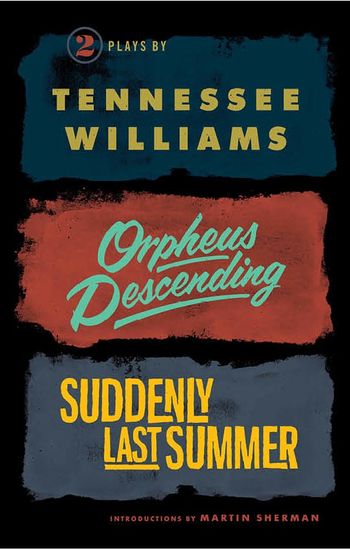
Orpheus Descending & Suddenly Last Summer
The Glass Menagerie (Centennial Edition)
The Magic Tower And Other One-Act Plays
The Rose Tattoo
Tales of Desire
The Night of the Iguana
New Selected Essays: Where I Live
Sweet Bird Of Youth
Camino Real
A House Not Meant To Stand
The Traveling Companion & Other Plays
Memoirs
The Selected Letters of Tennessee Williams Vol. II: 1946-1957
The Collected Poems Of Tennessee Williams
Mister Paradise & Other One Act Plays
A Streetcar Named Desire
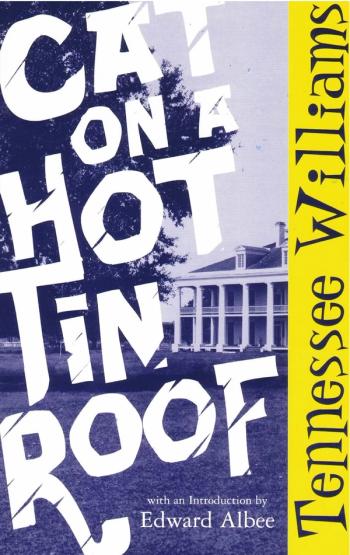
Cat on a Hot Tin Roof
Candles To The Sun
The Selected Letters of Tennessee Williams Vol. I: 1920-1945
Fugitive Kind
The Theatre Of Tennessee Williams, Vol. VIII
Eight Mortal Ladies Possessed
Small Craft Warnings
Vieux Carre
Stairs To The Roof
Spring Storm
The Glass Menagerie
Not About Nightingales
The Notebook Of Trigorin
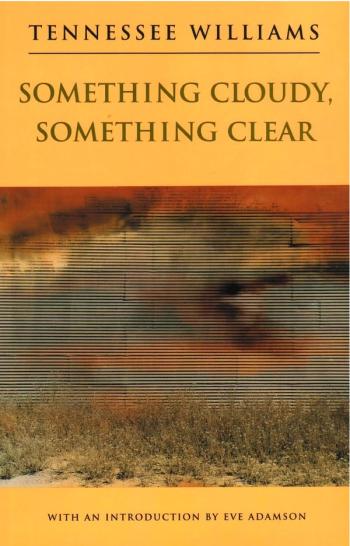
Something Cloudy Something Clear
The Theatre Of Tennessee Williams, Vol. VII
The Collected Stories of Tennessee Williams
The Theatre Of Tennessee Williams, Vol. IV
The Theatre Of Tennessee Williams, Vol. VI
The Theatre Of Tennessee Williams, Vol. III
Baby Doll & Tiger Tail
The Theatre Of Tennessee Williams, Vol. V
The Theatre Of Tennessee Williams, Vol. II
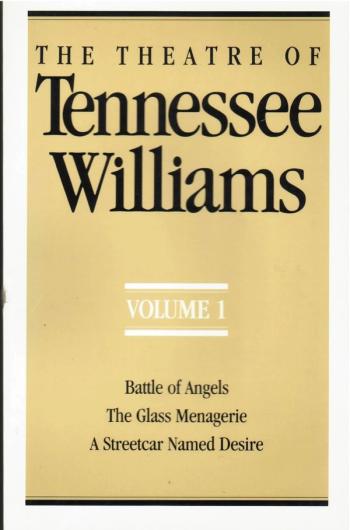
The Theatre Of Tennessee Williams, Vol. I
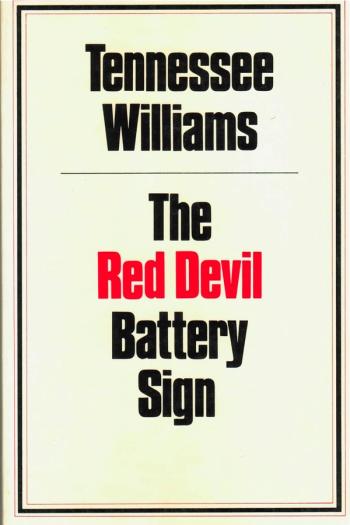
The Red Devil Battery Sign
Stopped Rocking And Other Screenplays
Clothes For A Summer Hotel
Lovely Sunday For Creve Coeur
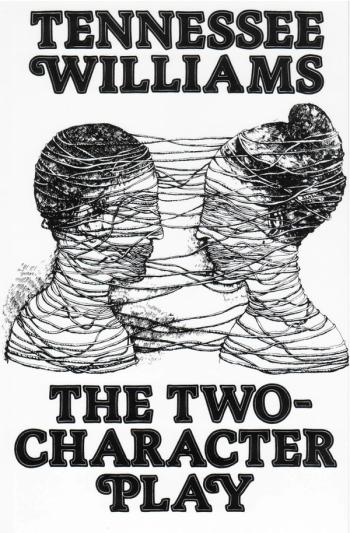
The Two Character Play
Dragon Country
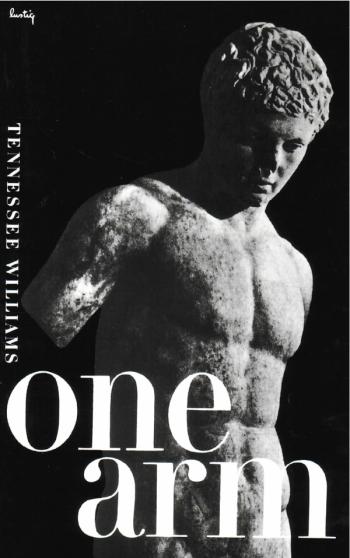
One Arm & Other Stories
Hard Candy
27 Wagons Full of Cotton
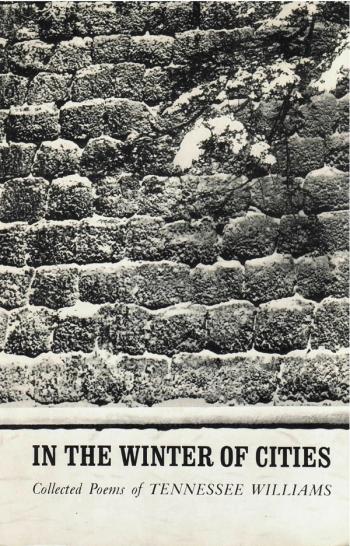
In The Winter Of Cities
Tennessee Williams
Arguably America’s greatest playwright, Tennessee Williams was born Thomas Lanier Williams in Mississippi on March 26, 1911. The son of a salesman and a Southern belle, Williams spent his much of his early childhood in the parsonage of his beloved grandfather, an Episcopal priest, but moved with his family to St. Louis, where he attended high school and began to write. Forced by his father to leave the University of Missouri and take a 9-to-5 job in a shoe factory, Williams became more and more determined to be a successful writer. He took classes at Washington University in St. Louis, and wrote his first plays. In 1938 he earned a degree from the University of Iowa, where he wrote Spring Storm. Of the theater he remarked: “know it’s the only thing that saved my life.” By 1939, he had adopted the name of Tennessee Williams, written Battle of Angels (for which he received a Rockefeller Foundation grant) and found his loyal and intrepid agent Audrey Wood. His first great success came in 1944 with his “memory play,” The Glass Menagerie, which opened in Chicago to rave reviews and moved to Broadway, where it won the New York Drama Critics Circle Award for best play of the year. A Streetcar Named Desire, his next play, was a huge success in 1947 and established Williams as the premiere American playwright of his generation. Between 1948 and 1959, he enjoyed a string of Broadway successes, including Summer and Smoke (1948), The Rose Tattoo (1951), Camino Real (1953), Cat on a Hot Tin Roof (1955), Orpheus Descending (1957) and Sweet Bird of Youth (1959). By 1959 he had won two Pulitzer Prizes, three New York Drama Critics Circle Awards, and a Tony Award. Movies were made of many of his plays and brought him huge success, renown and wealth. He continued to write voraciously, every day, producing novels, stories, and many new, radical and inventive plays, which did not always meet with the public’s approval, but which are now being revived and re-staged to great acclaim. As well as being astonishingly talented and prolific, Tennessee Williams was a man of considerable personal courage, willing to be open about being a gay man at a time when few were. Tennessee Williams is a cornerstone of New Directions, as we publish everything he wrote in his storied career. He is also our single bestselling author.